Most of my design school batch took the obvious next step — corporate roles, structured onboarding, a desk in Bangalore or Mumbai. I flew to Kashmir alone.
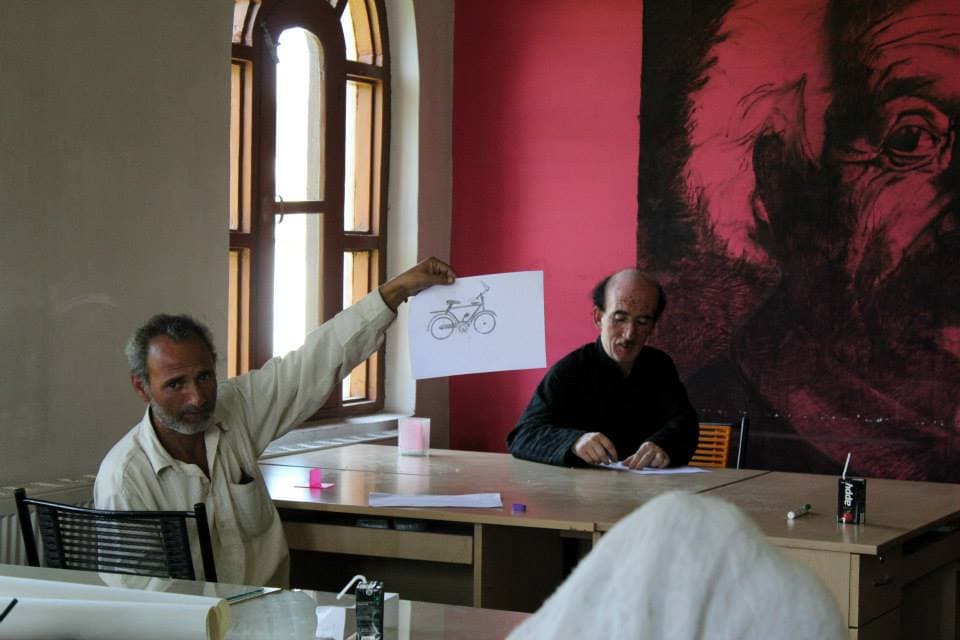
The Government of India, through the Ministry of Textiles, had commissioned a project to help Kashmiri paper mache artisans make their craft commercially viable. I was the design lead. My team was 30 craftsmen — most older than my father — who’d been doing this work their entire lives, as had their fathers before them.
I had no playbook. I had a 25-day window, 125 hours of workshop time, and a conviction I couldn’t fully explain yet — that design could matter beyond screens and decks.
WHAT I WALKED INTO
A 600-year-old craft, quietly disappearing
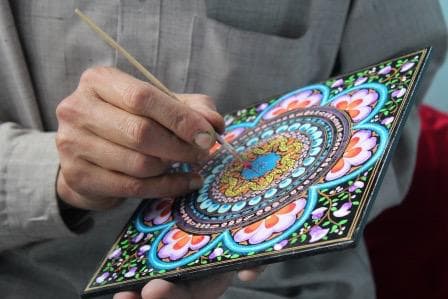
The first thing you notice in a Kashmiri paper mache workshop is the silence. No machinery. Just hands — shaping layers of paper pulp over days, sanding them smooth, then painting intricate motifs with brushes made from a single strand of cat hair. A single piece can take three to four days.
This craft is 600 years old. The technique is extraordinary. And when I arrived, it was quietly disappearing.
Not because the skill was fading — the artisans were as precise as any generation before them. It was disappearing because no one was buying. The shelves were full of the same boxes, trays, and ornamental pieces their grandfathers made. I watched tourists pick up a piece, say “beautiful,” ask the price, and put it back. Not once did it lead to a sale.
The craft wasn’t dying from neglect. It was dying from stillness — the product had frozen while the market kept moving.
EARNING THE RIGHT TO BE HEARD
Observing before proposing
I didn’t walk in with solutions. I was an outsider in a valley where men had practiced this craft for three generations. If I started with opinions, I’d lose them in a day.
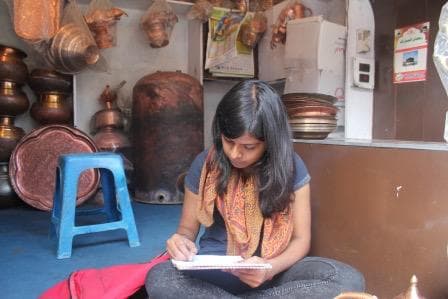
So I watched. I sat on workshop floors. I learned the layering, the drying, the sanding, the priming, the painting. I earned trust the only way you can — by showing up, shutting up, and paying attention.
What I found was a paradox. The people of Kashmir are some of the most warm and generous I’ve ever encountered. But when it came to the work itself, I saw a deep comfort zone — not laziness, but something quieter and more structural. Most artisans were second or third-generation craftsmen. Many had never left the valley, never visited a trade fair in Delhi, never walked through a contemporary home decor store. The ecosystem was insular. Same tools, same processes, same output, generation after generation.
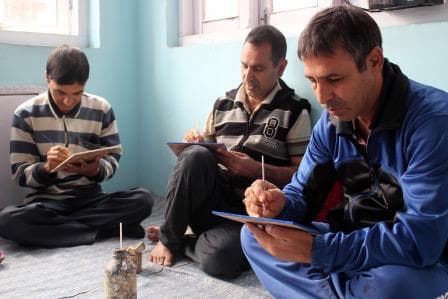
THE INTERVENTION
Applying painting to copper and wood
I started with new product categories, new colour palettes, functional objects people would actually use — not decorative pieces that sit behind glass. Every prototype was co-created. I brought market intelligence — what buyers wanted, what price points worked, what forms were trending. They brought decades of material knowledge — what paper mache could structurally support, what finishes held up, what was reproducible at scale.
Then I made the move that changed everything.
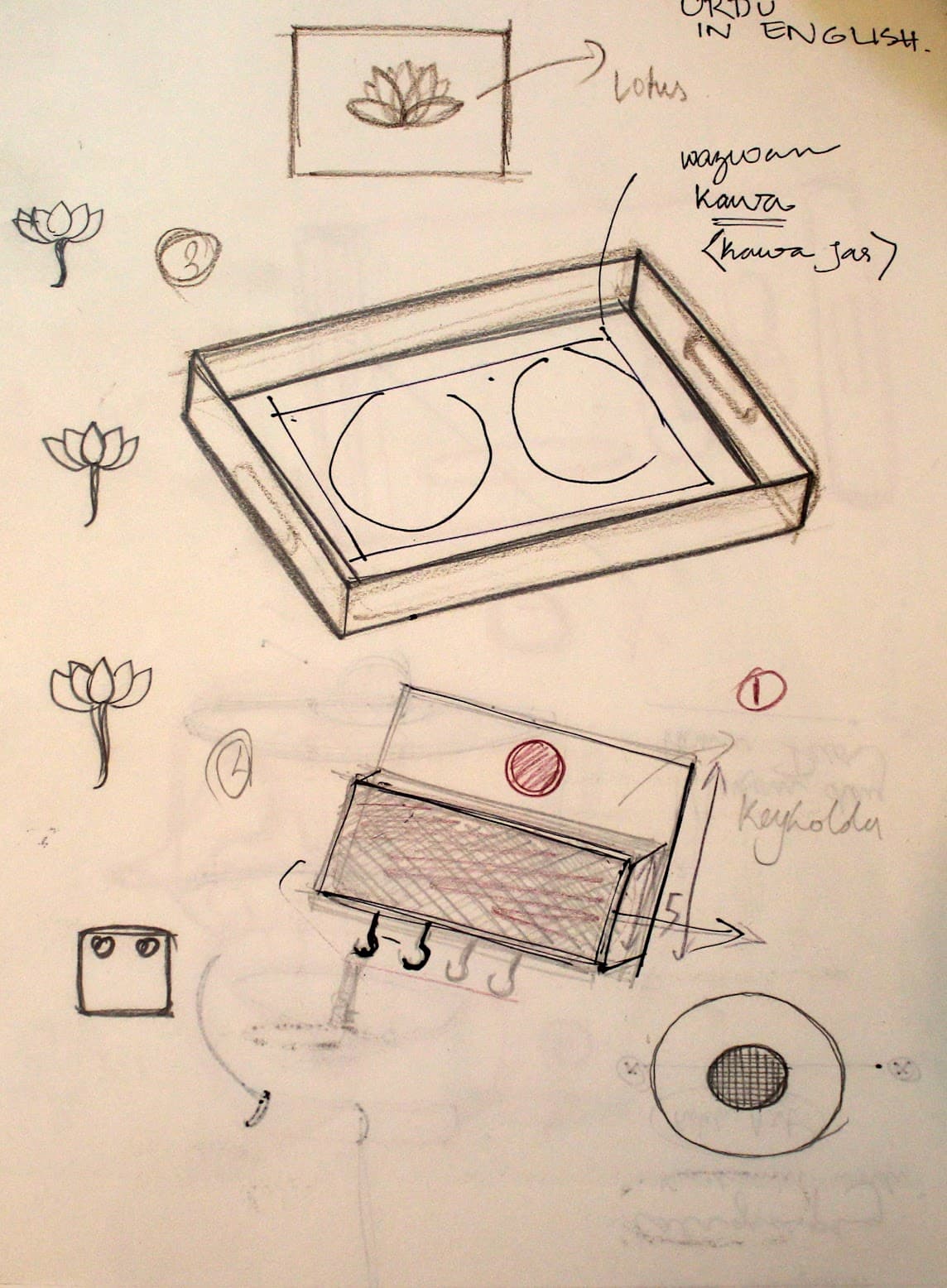
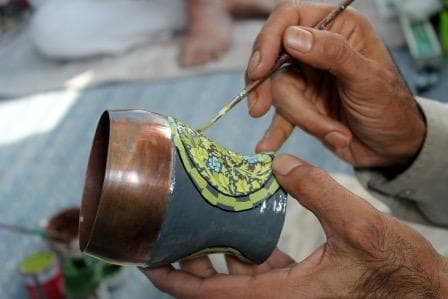
I asked the artisans to take their hand-painting technique — the same Kashmiri motifs, the same intricate brushwork — and apply it to copper and wood instead of paper mache.
The hesitation was immediate. Paper mache was their identity. Painting on metal or wood felt like a betrayal. But the logic was hard to argue with.
Paper mache requires days of layering, drying, moulding, and sanding before a single brushstroke happens. That’s where most production time goes — not on the painting, which is the highest-skill, highest-value step. Copper and wood arrive ready to paint. The artisan skips straight to what they do best.
Once the first pieces came off the workshop floor, the artisans saw it themselves. The Kashmiri motifs on a copper vase didn’t look less authentic. They looked elevated. The craft’s identity lived in the painting — in the hand, in the motif, in the brushstroke — not in the substrate.
What the material shift unlocked:
- Production time dropped from days to hours
- Product durability increased — copper and wood are structurally stronger, more viable for export
- Price points expanded — hand-painted copper commanded a premium paper mache couldn’t
- The product range exploded — serving trays, lamp bases, planters, wall plates — forms paper mache couldn’t structurally support
We ended with 20 prototypes across paper mache, copper, and wood. Not concepts — finished pieces, test-marketed with bulk buyers and exporters. 125+ hours of hands-on training with 30 artisans. I trained them to adapt their painting technique to new surfaces and introduced modern finishing tools where they genuinely improved quality. Everything I taught had to be reproducible after I left.
BEFORE AND AFTER
Before: The artisans worked exclusively with paper mache as their base — and rarely explored beyond it. The challenge was structural: paper mache required days of layering, drying, moulding, and sanding before it became sturdy enough to paint. The production cycle was slow, the material fragile, and the product range limited to what paper mache could physically support.
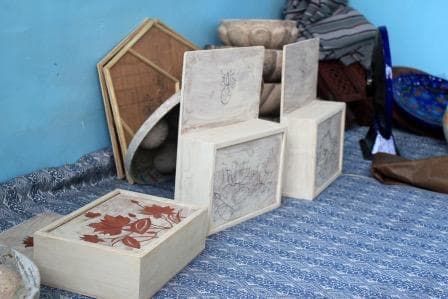
After: I asked them to explore new base materials — copper, which was already one of the core indigenous materials of the valley, wood, and MDF sheet. By changing the base, we could fast-track the production cycle dramatically and bring in a wow factor by merging two indigenous crafts: Kashmiri hand-painting with Kashmiri copperwork. 20 new prototypes across three materials. 30 artisans trained to work across surfaces and think in new directions independently.
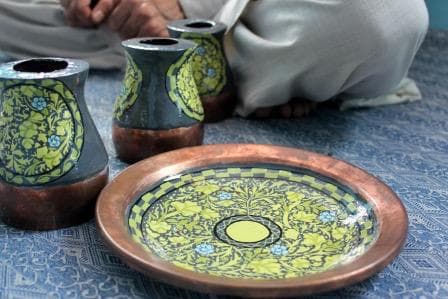
The buyer response shifted from “beautiful” to “how many can you make?”
But the moment I keep coming back to is smaller than any metric. A craftsman who’d only ever painted on paper mache finished his first copper piece. He stepped back, and I could see him recognizing his own motifs on a completely different surface. The craft was still his. The possibilities had just multiplied.
WHAT I CARRIED OUT OF KASHMIR
Reflections
This project shaped how I think about design. Permanently.
The biggest unlock wasn’t a new product — it was a new surface. Moving the painting technique onto copper and wood seems obvious in hindsight. But for artisans who’d only ever known paper mache, it was a revelation. The craft’s identity wasn’t trapped in the material. It lived in the hand. Sometimes the most powerful design intervention isn’t changing what something looks like — it’s changing what it’s made of.
Constraints are the brief. I didn’t have a design studio. I had a workshop floor, limited tools, and artisans with rigid ways of working. The best prototypes came from treating those constraints as creative parameters, not obstacles.
Design is livelihood. At that age, this project made the connection between a colour palette and a family’s income visceral. A new surface, a contemporary finish, a functional form — these weren’t portfolio pieces. They were the difference between a craftsman earning a sustainable living from his heritage skill or watching it die with his generation. I’ve never been able to think of design as purely aesthetic since.